Analytics has become a cornerstone of modern sports, transforming the way teams train, strategize, and make decisions. From player performance to game tactics, data-driven insights are helping athletes and coaches optimize outcomes. Understanding how analytics is used in sports provides a glimpse into the future of competitive performance.
Performance Tracking and Improvement
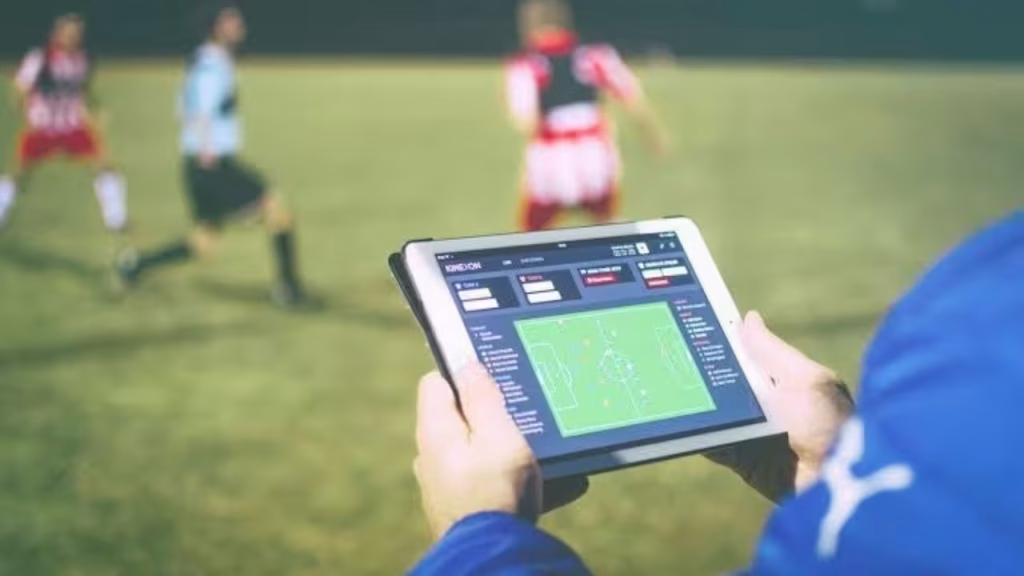
Analytics allows teams to monitor player performance in real-time. Using wearable devices, GPS trackers, and video analysis, coaches can assess speed, endurance, accuracy, and other key metrics. By identifying strengths and weaknesses, athletes can focus on targeted training, improving their skills more efficiently.
Injury Prevention and Management
Data analytics helps prevent injuries by tracking workload, fatigue levels, and movement patterns. Predictive models can identify players at risk of injury, enabling coaches to adjust training schedules or recommend rest periods. This proactive approach extends careers and reduces downtime for athletes.
Game Strategy and Decision-Making
Teams use analytics to develop game strategies and make in-game decisions. By analyzing opponents’ tendencies, past performance, and situational statistics, coaches can plan effective plays. Real-time data allows for adjustments during matches, increasing the chances of winning.
Scouting and Recruitment
Analytics plays a key role in scouting and recruitment. Teams evaluate players using detailed metrics, including physical abilities, performance consistency, and potential growth. Data-driven assessments reduce guesswork and help teams identify talent that aligns with their strategic goals.
Fan Engagement and Business Strategy
Beyond the field, analytics enhances fan experience and business decisions. Teams use data to personalize marketing campaigns, ticket pricing, and merchandise offers. Understanding fan preferences helps sports organizations build stronger relationships and increase revenue streams.
You Can Also Read: youth-programs-future-athletes
Evolution of Sports Analytics
Sports analytics has evolved from simple statistics to advanced machine learning and artificial intelligence models. Modern tools can predict outcomes, simulate strategies, and optimize player rotations. As technology advances, the scope of analytics continues to expand, shaping the future of professional sports.
Integrating Analytics with Traditional Coaching
While analytics provides valuable insights, combining it with traditional coaching remains crucial. Coaches interpret data within the context of experience, intuition, and team dynamics. This integration ensures that strategies are not purely numbers-based but also account for human factors, motivation, and leadership.
The Future of Analytics in Sports
The role of analytics in sports will continue to grow, driven by technological innovation and the increasing availability of data. Advanced sensors, AI-driven performance models, and predictive analytics will enhance training, strategy, and overall team performance. Teams that embrace analytics effectively gain a competitive advantage in both performance and decision-making.
Analytics is reshaping modern sports strategies by providing data-driven insights for performance improvement, injury prevention, recruitment, and business decisions. By leveraging analytics alongside traditional coaching, teams can optimize outcomes and gain an edge in competitive sports.
For more insights on sports analytics and modern strategies, visit SparkPressFusion.