Youth sports programs play a critical role in shaping the athletes of tomorrow. Beyond teaching physical skills, these programs foster discipline, teamwork, and leadership, qualities essential for professional success. Structured programs provide guidance, mentorship, and opportunities that help young athletes reach their full potential.
Building Fundamental Skills
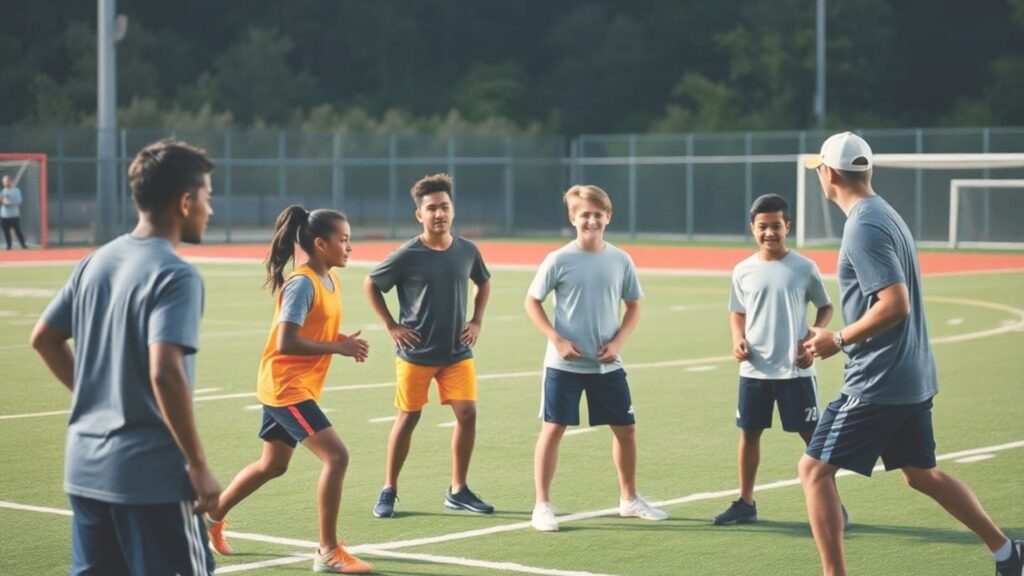
Youth programs focus on developing the basic skills required for a sport. Coaches teach proper techniques, form, and rules, ensuring that athletes build a strong foundation. These early lessons are essential for preventing injuries and creating the confidence needed to progress to advanced levels.
Teaching Discipline and Work Ethic
Professional athletes require dedication, consistency, and hard work. Youth programs instill discipline by setting practice schedules, goals, and performance expectations. Learning to follow routines and push through challenges at a young age helps athletes cultivate the work ethic necessary for long-term success.
Promoting Teamwork and Communication
Team sports teach collaboration and communication—skills vital both on and off the field. Youth athletes learn to support teammates, strategize collectively, and handle wins and losses gracefully. Developing these social and leadership skills early gives young athletes an advantage as they move into competitive environments.
Exposure to Competitive Environments
Youth programs often provide opportunities to compete at local, regional, or national levels. Exposure to competition teaches athletes to manage pressure, adapt to different opponents, and build resilience. These experiences prepare them for the intensity and expectations of professional sports.
Mentorship and Guidance
Experienced coaches and mentors play a key role in youth development programs. They provide guidance on training, nutrition, mental preparation, and sportsmanship. Positive mentorship inspires young athletes, helping them make informed decisions and stay motivated on their path to professional careers.
Encouraging Healthy Habits
Youth programs emphasize the importance of physical fitness, proper nutrition, and injury prevention. Teaching young athletes about stretching, warm-ups, and balanced diets promotes long-term health. Establishing these habits early ensures that athletes maintain peak performance throughout their careers.
Goal Setting and Personal Growth
Setting short-term and long-term goals is a cornerstone of youth athletic programs. Athletes learn to track progress, celebrate achievements, and adjust strategies when needed. This goal-oriented approach not only enhances sports performance but also builds confidence and self-motivation, which are valuable life skills.
Fostering Passion and Love for the Game
Youth programs help athletes discover their passion for sports. Enjoying the game motivates continued practice, skill improvement, and long-term commitment. Passion combined with structured training often distinguishes those who succeed at professional levels from those who lose interest over time.
Opportunities for Scholarships and Advancement
Well-structured youth programs provide exposure to scouts, tournaments, and scholarship opportunities. Athletes with strong performance and discipline may secure college scholarships or join elite training programs. These pathways are often stepping stones toward professional sports careers.
Youth programs are essential in developing future professional athletes by teaching fundamental skills, discipline, teamwork, and healthy habits. Through mentorship, competition, and structured training, young athletes are prepared not only for success in sports but also for personal growth and resilience in life.
For more insights on sports development and youth programs, visit SparkPressFusion.