Powering devices should be simple. However, people often face issues such as cords being too short, incompatible, or unsuitable for specific environments. As a result, productivity slows down, safety risks increase, and performance may suffer. Choosing the wrong type of cord can also lead to overheating, inefficiency, and frequent replacements.
Because of this, it is essential to understand the way electrical cords are used in different settings. It helps you make informed decisions, enhance safety, and maintain a steady performance.
This article describes the various applications of electrical cords and how they facilitate daily and specialized applications.
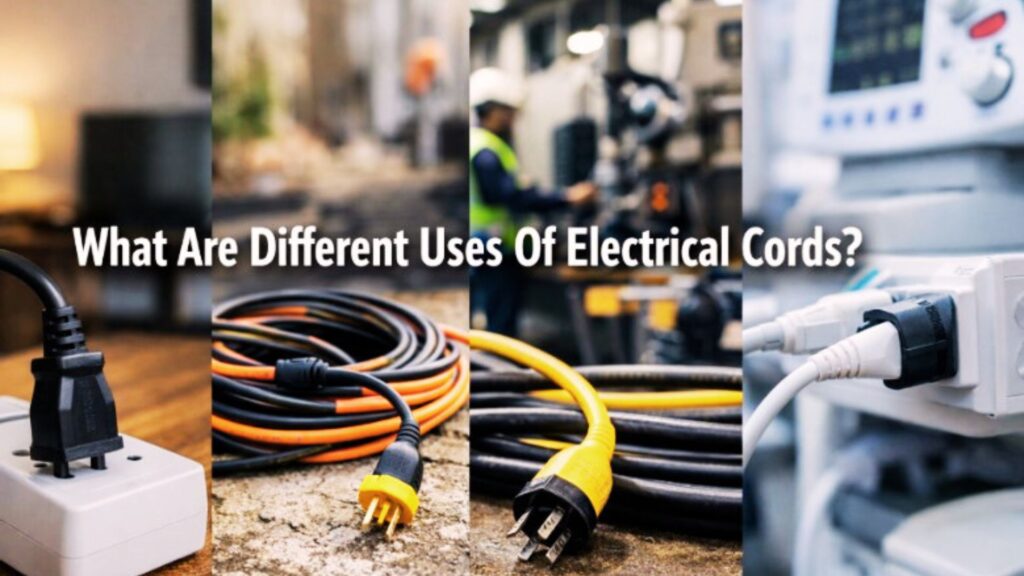
1. Power Household Appliances and Everyday Devices
The electrical cord plays a fundamental role when it comes to daily convenience. It links the vital household gadgets with power supplies so that all the gadgets operate smoothly. Refrigerators and microwaves, televisions and lamps, almost all devices require a cord to operate.
In addition, these cords are made to transfer energy in a consistent and safe way. They are typically equipped with standardized plugs and insulation that are appropriate to indoor settings. Consequently, they can manage moderate electrical loads without compromising safety.
Moreover, contemporary households frequently demand the use of several appliances at the same time. Thus, the cords should be strong enough to withstand repeated usage. This is particularly significant in the kitchens and living areas where appliances are used regularly.
Furthermore, the correct cord length and configuration should also be adopted to avoid cluttering and straining connections. This not only helps in enhancing organization but also helps improve the life of the cord and the device.
2. Support Office and IT Equipment
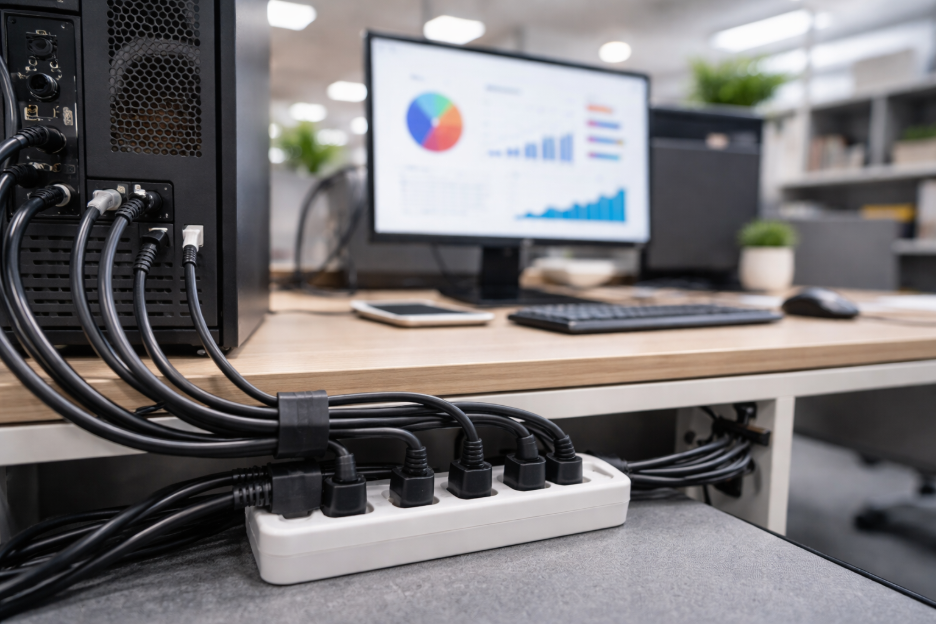
Electrical cords are used in office settings to facilitate the smooth running of important systems. Printers, computers, monitors, and networking equipment all require effective power connections. Even the slightest distractions can have an impact on productivity without the right cords.
Furthermore, there are numerous office devices that need a certain type of connector, such as computer systems that use an IEC connector. These cords are designed to deliver a stable power supply with low interference levels.
With the growing digital infrastructure in workplace settings, there is a growing need to have structured and effective cabling. Consequently, the correct cords can ensure a neat arrangement and avoid tangling and unintentional disconnections.
In addition, quality cords increase the life of equipment. They eliminate variations in voltage and provide uniform current flow, which is important for delicate electronics.
3. Enable Industrial and Heavy-Duty Applications
Electrical cords are used for a much more rigorous purpose in the industrial environment. Cords that are capable of high voltage and high load capacity are needed in machinery, manufacturing machines, and heavy tools.
For this reason, industrial cords are constructed with stronger insulation and heavier conductors. These features enable them to endure extreme conditions, such as heat, moisture, and mechanical stress.
Moreover, the durability becomes a concern in such an environment. Cords need to be abrasion-resistant and have the ability to perform when constantly used. Consequently, specialized structures guarantee reliability in the long term even under difficult conditions.
Furthermore, selecting the right cord also influences the efficiency of operations. The use of the wrong type may cause downtime or safety hazards. For that reason, selecting cords made for industrial applications saves performance and compliance with safety requirements.
4. Extend Power Access with Extension Cords
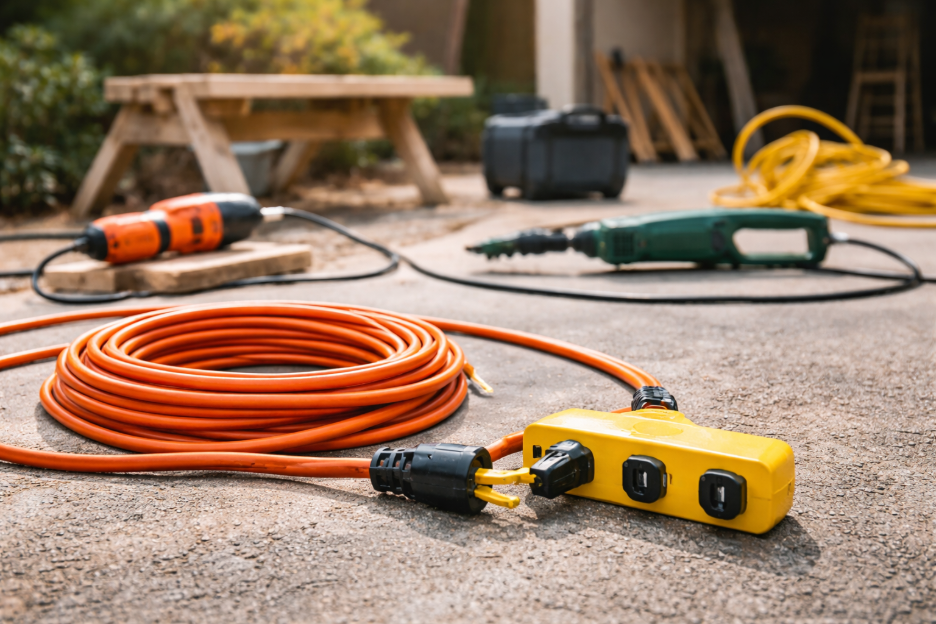
Power outlets are not always in convenient locations. Extension cords are a practical solution in such situations since they increase the reach of electricity. This makes them indispensable in both outdoor and indoor use.
For example, extension cords allow you to operate devices in garages, run equipment in spacious rooms, or create a temporary work station. They consequently allow flexibility without the need for permanent electrical modification.
Nevertheless, extension cords are not identical. Some are designed for light-duty applications, and others support heavy-duty applications. That is why it is important to choose the appropriate cord according to load specifications.
In addition, outdoor extension cords are designed with extra insulation to overcome weather conditions. This guarantees safe operation despite being subjected to moisture or a change in temperature.
5. Power Specialized and Medical Equipment
Certain environments demand a higher level of precision and safety. In such cases, specialized electrical cords are used to meet strict requirements. For instance, medical-grade cords are designed to support critical healthcare equipment.
These cords often include enhanced insulation, secure connections, and materials that minimize contamination risks. As a result, they ensure reliable performance in sensitive environments where failure is not an option.
Additionally, specialized cords are also used in industries requiring unique configurations. This includes equipment with specific voltage needs or uncommon plug types.
Because of this, customization becomes an important factor. Tailored cords help meet exact specifications, ensuring compatibility and optimal performance.
Conclusion
Electrical cords are far more versatile than they may initially appear. They not only power everyday appliances but also support complex office systems and enable demanding industrial operations. At the same time, they provide flexibility through extension and customization, while maintaining safety in specialized environments such as healthcare and technical setups.
Moreover, each type of cord is designed with a specific purpose in mind, whether it is handling higher loads, resisting environmental stress, or ensuring compatibility with different devices. Because of this, understanding these distinctions allows you to make more precise and efficient choices.
By recognizing the different uses of electrical cords, you can select the right option for every situation. This, in turn, improves overall performance, enhances safety, and ensures long-term reliability across all applications.