At first, when you hear about Harajuku, it usually looks like a far-off idea: colorful clothes, daring designs, and a buzz of energy that you can hardly duplicate or even imagine. But when you attempt to venture into it, the image becomes baffling. The styles are disorganized, the influences are cross-pollinated, and there is no straight rulebook anymore.
Meanwhile, merely glancing at fashion is not enough to tell us why Harajuku became popular around the world. Why is it so unlike other fashion districts? Why is it still shaping around the globe?
To know Harajuku, one must examine it beyond clothes to the culture.
This article dissects the main factors that have made Harajuku a world icon of street culture.
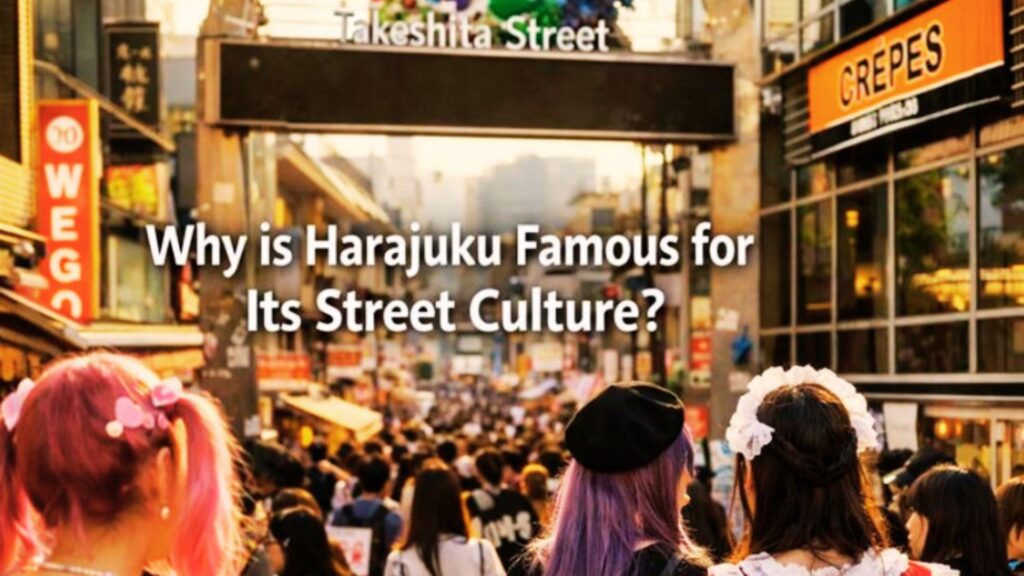
1. An Individualistic Culture
Individuality is one of the most formidable contributors to the popularity of Harajuku.
That said, when you really explore Harajuku style online, you will see that no two outfits appear identical. It is a way for people to represent identity, mood, and creativity through clothing by not adhering to rigid fashion dictums. This practice changes the goal of fashion by offering an alternative between fitting and standing out.
In addition, this freedom promotes experimentation. You can combine styles, overlay strange combinations, and make something significant.
Consequently, Harajuku is not merely a fashion district, but a place where self-expression is the culture.
2. Youth and Subculture Powe

Harajuku street culture is closely related to youth movements. Fashion has been used by young people over the years to rebel and create a new idea.
As an example, this environment gave rise to several subcultures, including kawaii, punk, and gothic styles. All these styles have their identity and visual language.
Meanwhile, these subcultures do not live in vacuums. They cross each other frequently, which results in unusual blends that re-establish fashion norms.
Due to this continuous development, Harajuku is dynamic and not fixed. Culture evolves with every new generation.
3. Global and Local Blend
The ability to incorporate influences is another factor that made Harajuku known around the world. The culture has its origins in Tokyo, but it takes on worldwide ideas.
As an illustration, Western street style, vintage fashion, and the elements of pop culture are frequently interpreted through the local prism. This brings a unique approach that is both familiar and original.
Moreover, such a blending process promotes creativity. Harajuku does not imitate trends but transforms them into something different.
The balance between worldwide fascination and local ground is what makes the culture so popular.
4. Visual Impact and Presence

Street culture in Harajuku is very visual. Even the streets themselves serve as a stage on which fashion is performed.
Bright colors, multi-layered clothes, and vivid accessories are sure to draw attention immediately. But aesthetics is not visual appeal only. It expresses the character and will.
In addition, the environment reinforces this expression. Social areas give individuals the freedom to express their style and make streets an everyday innovation.
Consequently, images, media, and social sites make Harajuku visible not only in the local scene but internationally as well.
5. Freedom to Experiment
Harajuku culture is more accessible in contrast to high-fashion settings that are usually exclusive. You do not require designer items to take part in.
Rather, it is all about the way you dress. Combining inexpensive products, vintage, and statement accessories can make a difference.
This ease of access reduces the entry barrier. Others are able to test their fashion without feeling judged or spending a lot.
Simultaneously, this transparency promotes a variety of styles. The culture also prospers due to its tolerance of other interpretations instead of imposing uniformity.
6. Continuous Innovation and Evolution
The street culture of Harajuku is not rigid. It is dynamic and continues to develop through artistic inspiration and shifting forces.
New trends occur as people redefine existing styles. Meanwhile, the ancient aspects are reexamined and transformed to suit the times.
This cycle ensures that the culture is always fresh and relevant. Rather than becoming obsolete with time, it grows to fit new situations and audiences.
Finally, this evolutionary skill makes Harajuku a major benchmark in the world of street fashion.
Conclusion
The reason why Harajuku has acquired a certain level of fame is due to its street culture, which is more than fashion. It is an individual, creative, cross-cultural expression that is dynamic and constantly changing.
It promotes style as a form of communication by concentrating on personal identity, embracing varied influences, and promoting experiments. Simultaneously, its accessibility enables more individuals to attend and contribute.
Consequently, Harajuku has continued to shape fashion around the world and still retains its niche. It is not merely a location but a continuous cultural trend that is being created by the individuals who make it come alive.