Indoor plants are more than just decorative elements, they can significantly improve air quality and contribute to overall wellness. Adding the right plants to your home or workspace can purify the air, reduce stress, and create a calming environment. Here are some effective indoor plants and tips for using them to enhance health and comfort.
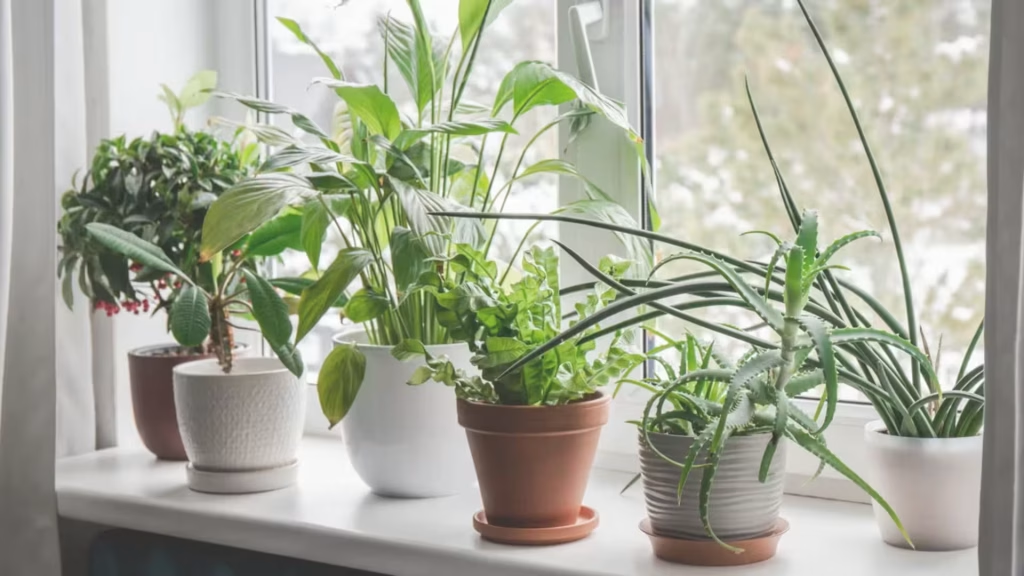
Snake Plant (Sansevieria)
The snake plant is a hardy and low-maintenance plant that improves air quality by filtering out toxins like formaldehyde, xylene, and toluene. It also produces oxygen at night, making it ideal for bedrooms. Its vertical leaves add a modern touch to home decor while promoting cleaner indoor air.
Spider Plant (Chlorophytum comosum)
Spider plants are easy to care for and excel at removing pollutants such as carbon monoxide and formaldehyde. They also release oxygen and increase humidity, which can improve respiratory health. Their cascading green leaves make them perfect for hanging baskets or tabletops.
Peace Lily (Spathiphyllum)
Peace lilies are known for their elegant white blooms and air-purifying abilities. They remove toxins like ammonia, benzene, and formaldehyde from indoor spaces. Additionally, they help maintain indoor humidity and have been shown to reduce stress and promote relaxation.
Aloe Vera
Aloe vera is not only useful for skincare but also improves indoor air by releasing oxygen and filtering out pollutants. It thrives in sunny spots and requires minimal care. Having aloe vera at home adds both practical and aesthetic value while supporting a healthier environment.
Areca Palm (Dypsis lutescens)
The areca palm is an excellent natural humidifier and air purifier. It removes toxins and adds moisture to the air, which can help reduce dry skin, irritation, and respiratory discomfort. Its feathery fronds make it an attractive addition to living rooms or offices.
Rubber Plant (Ficus elastica)
Rubber plants are effective at removing airborne toxins such as formaldehyde. They are low-maintenance and can grow quite large, making them ideal for statement indoor greenery. Their glossy leaves also add a sense of freshness and vitality to any room.
Boston Fern (Nephrolepis exaltata)
Boston ferns are natural air purifiers that remove pollutants and increase humidity. They are particularly helpful for improving respiratory health and alleviating dry air issues. Boston ferns thrive in indirect light and require consistent moisture, making them great for bathrooms or humid indoor areas.
You Can Also Read: eco-friendly-home-tips
Benefits Beyond Air Quality
Beyond purifying the air, indoor plants offer several wellness benefits:
- Stress Reduction: Greenery and natural elements have calming effects, reducing anxiety and boosting mood.
- Enhanced Focus and Productivity: Studies show that plants in workspaces improve concentration and cognitive performance.
- Better Sleep: Plants like snake plants and aloe vera improve air quality at night, supporting better sleep.
- Aesthetic Appeal: Indoor plants create a more inviting, pleasant, and natural environment, enhancing overall well-being.
Tips for Caring for Indoor Plants
To maximize the benefits of indoor plants, follow these simple tips:
- Place plants in areas with adequate light according to their needs.
- Water regularly, but avoid overwatering.
- Remove dust from leaves to improve photosynthesis.
- Rotate plants occasionally to ensure even growth.
- Use natural fertilizers to support healthy development.
Adding indoor plants is an easy and effective way to enhance both air quality and personal wellness. By selecting the right plants and maintaining them properly, you can create a healthier, more relaxing, and visually appealing home environment.
For more insights on improving home wellness and creating healthier spaces, visit SparkPressFusion.