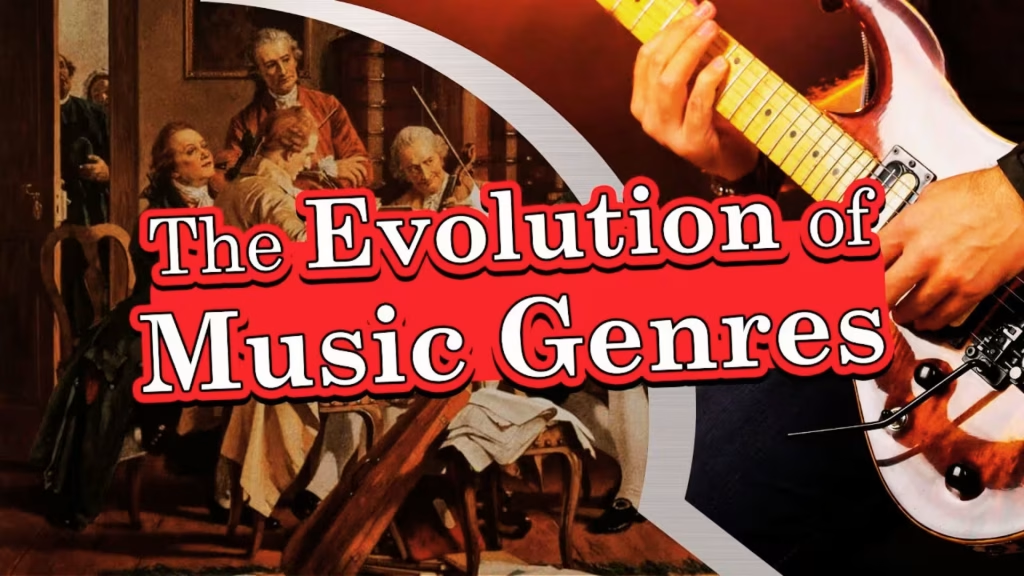
Music has always been a reflection of society, evolving alongside cultural, social, and technological changes. Different genres have emerged over time, each influencing the way people express themselves, interact, and even shape cultural trends. Understanding this evolution helps us appreciate music not just as entertainment, but as a powerful cultural force.
Early Music and Classical Foundations
Classical music, emerging in Europe from the 17th century, laid the foundation for modern musical theory. Composers like Bach, Mozart, and Beethoven introduced complex compositions and orchestral arrangements. Classical music influenced later genres by establishing harmony, rhythm, and composition techniques that continue to inspire musicians today.
Jazz and Blues: Roots of Modern Music
In the early 20th century, jazz and blues emerged in the United States, particularly in African American communities. Blues expressed emotional struggles and life experiences, while jazz introduced improvisation, swing, and complex rhythms. These genres influenced rock, R&B, and hip-hop, shaping not only music but also social movements advocating for civil rights and equality.
Rock and Pop Revolution
Rock music emerged in the 1950s, blending blues, jazz, and country influences. Artists like Elvis Presley and The Beatles popularized rock globally, sparking youth culture movements and redefining social norms. Pop music followed, focusing on catchy melodies and widespread appeal. Together, rock and pop played a major role in shaping fashion, language, and lifestyle trends.
Hip-Hop and Rap: Voice of the Streets
Hip-hop and rap originated in the 1970s in urban communities of New York. Initially a way to tell stories of struggle and resilience, hip-hop quickly became a global phenomenon. Its influence extends beyond music to fashion, language, and social activism, reflecting the experiences of marginalized communities while connecting diverse audiences worldwide.
Electronic and Dance Music
Electronic music, including techno, house, and EDM, emerged in the late 20th century, driven by technological innovations like synthesizers and digital production tools. These genres revolutionized how music is produced and consumed, emphasizing rhythm, beats, and immersive experiences. Dance music also fostered global club culture and music festivals, uniting people through rhythm and energy.
Country, Folk, and Regional Influences
Country and folk music often tell stories about everyday life, traditions, and regional identity. These genres preserve cultural heritage, providing insight into local customs and history. Modern artists blend traditional elements with contemporary sounds, creating new sub-genres while keeping cultural roots alive.
You Can Also Read: streaming-platforms-movie-industry
Music and Cultural Impact
Music influences culture in numerous ways:
- Social Movements: Songs often reflect political struggles and inspire change.
- Identity and Community: Genres create shared experiences and cultural identity.
- Fashion and Lifestyle: Music trends influence clothing, language, and social behavior.
Each genre contributes to the broader cultural landscape, shaping how societies think, feel, and interact.
The Future of Music Genres
Music continues to evolve as technology and globalization expand possibilities. AI-generated music, streaming platforms, and cross-cultural collaborations are creating new sounds and genres. The blending of traditional and modern influences ensures that music remains a dynamic and influential part of culture.
Music is more than entertainment—it is a mirror of society and a catalyst for cultural expression. By exploring the evolution of genres and their impact, we gain a deeper understanding of human creativity, identity, and social connection.
For more insights on the influence of technology and culture in creative industries, visit SparkPressFusion.