Artificial Intelligence (AI) is no longer just a concept from science fiction. It has become an integral part of everyday life, affecting the way we work, communicate, shop, and even make decisions. AI technology is making tasks faster, smarter, and more convenient, impacting individuals and organizations alike.
AI in Smart Devices
One of the most visible applications of AI is in smart devices. Smartphones, smart speakers, and home assistants use AI to understand voice commands, manage schedules, and provide personalized recommendations. Devices like smart thermostats and connected appliances can learn user preferences and optimize energy usage, making daily routines more efficient.
AI in Healthcare
AI is revolutionizing healthcare by improving diagnosis, treatment, and patient care. Algorithms can analyze medical data to detect diseases early, suggest treatment plans, and even predict health risks. Virtual assistants help patients manage medications and appointments, while AI-powered robots assist in surgeries, enhancing precision and reducing recovery times.
AI in Transportation
From navigation apps to self-driving vehicles, AI is changing how we move. AI systems analyze traffic patterns, suggest the fastest routes, and optimize delivery schedules. Autonomous vehicles use AI to detect obstacles and make real-time decisions, increasing safety and efficiency on the roads.
AI in Shopping and Personalization
Online shopping has been transformed by AI-powered recommendation engines. Platforms track user behavior and suggest products tailored to individual preferences. AI also improves inventory management, fraud detection, and customer service, creating a smoother shopping experience both online and in-store.
AI in Communication and Entertainment
AI enhances communication through smart email filters, chatbots, and translation services. It also plays a role in entertainment, from personalized music playlists to movie recommendations. AI-generated content and virtual reality experiences are becoming more sophisticated, creating more engaging and customized experiences for users.
AI in Education and Learning
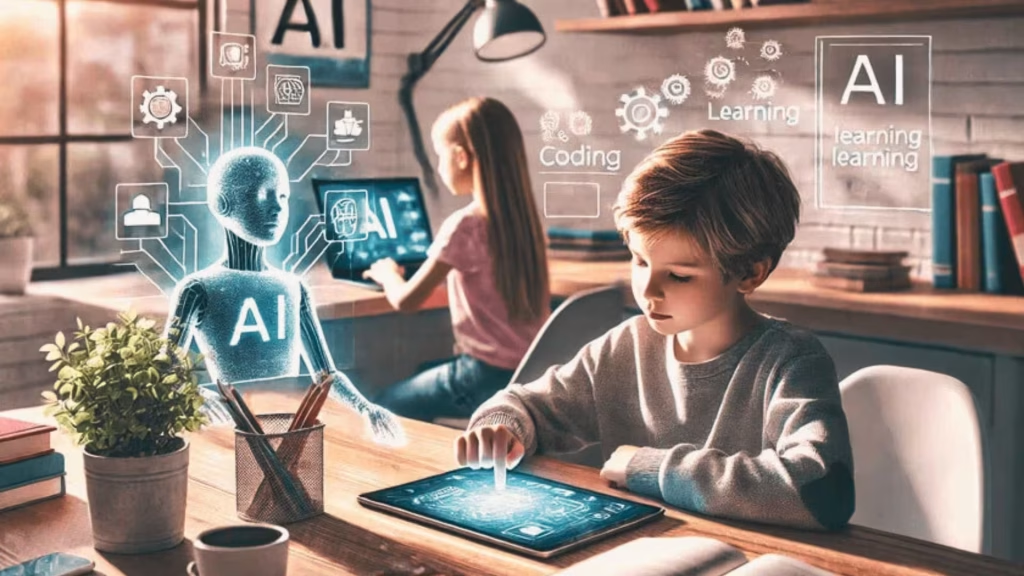
Education is benefiting from AI through adaptive learning platforms and virtual tutors. AI can identify areas where students struggle and provide personalized resources to improve learning outcomes. Teachers can use AI to automate administrative tasks and focus more on interactive teaching, creating a more effective learning environment.
Challenges and Ethical Considerations
While AI brings many benefits, it also raises challenges. Privacy, data security, and ethical use of AI are significant concerns. Bias in algorithms can affect decision-making, and excessive reliance on AI may reduce human involvement in critical tasks. Balancing AI with human judgment is essential for responsible adoption.
The Future of AI in Everyday Life
AI will continue to expand its influence, making life more convenient and efficient. From personalized healthcare to smarter homes and workplaces, AI will shape how we live, work, and interact with technology. Embracing AI responsibly ensures that its benefits are maximized while minimizing potential risks.
For more insights on how AI is transforming daily life and business operations, visit SparkPressFusion com.